Metal kitchen cabinets are not as common today as wooden ones, but they still have a loyal following — especially in vintage, mid-century, and industrial-style kitchens. Many homes built in the mid-1900s still have steel cabinets that are structurally sound but no longer look their best. Instead of replacing them, homeowners often choose restoration to bring back their original charm.
Restoring metal kitchen cabinets has its own unique features and nuances. Unlike wood, metal reacts differently to moisture, cleaning chemicals, and time. That means the process, materials, and approach to restoration need to be adjusted specifically for metal surfaces.
What Makes Metal Kitchen Cabinets Different?
Before talking about restoration, it’s important to understand what sets metal cabinets apart from wood:
- Durability: Metal cabinets are highly resistant to warping, cracking, and pests.
- Moisture Resistance: They handle humidity better than wood, which makes them a good fit for busy kitchens.
- Vintage Appeal: Many older homes still have original steel cabinets from the 1940s–1960s, which can become a beautiful design feature when restored.
- Different Aging Process: Instead of splitting or swelling like wood, metal tends to rust, dent, and lose its coating over time.
Because of this, restoring metal kitchen cabinets focuses more on dealing with rust, surface damage, and worn paint rather than issues like wood grain, filler, or stain.
Common Problems with Metal Kitchen Cabinets
When metal cabinets start to show their age, you’ll often see a similar set of issues:
- Rust and Corrosion: Especially around sink areas, near hinges, and on lower cabinets where moisture tends to collect.
- Dents and Dings: From years of use, moving pots and pans, or accidental impacts.
- Chipped or Peeling Paint: Old enamel or paint layers can start to crack and flake away.
- Faded Finish: Sun exposure and regular cleaning can dull the original color and shine.
- Loose or Noisy Hardware: Hinges, handles, and drawer slides can become squeaky, stiff, or loose.
These problems may look serious, but in most cases the underlying metal structure is still strong. That makes restoration a very attractive option compared to full replacement.
Key Steps in Restoring Metal Kitchen Cabinets
The process of restoring metal kitchen cabinets is more technical than simply repainting them. A professional approach usually includes several important stages:
1. Inspection and Planning
First, the cabinets are inspected to identify rusted areas, dents, peeling paint, and any structural issues. This step helps determine whether a simple refinish is enough or if more intensive repairs are needed.
2. Removing Doors, Drawers, and Hardware
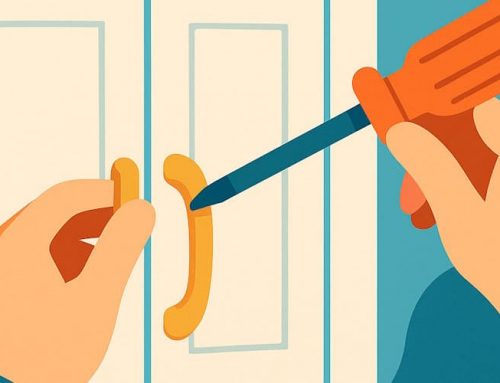
To get an even, long-lasting finish, doors and drawers are typically removed from the frames. Handles, hinges, and other hardware are also taken off so that all visible surfaces can be properly treated.
3. Cleaning and Degreasing
Metal cabinets tend to accumulate layers of kitchen grease, dust, and cleaning residue. Before any sanding or painting, the surfaces must be thoroughly cleaned and degreased so that new coatings will bond correctly.
4. Removing Old Paint and Rust
Depending on the condition, old paint may be removed mechanically (sanding, grinding) or with chemical strippers designed for metal. Rust spots are usually sanded down or treated with rust converters or inhibitors to stop further corrosion.
5. Repairing Dents and Surface Imperfections
Small dents, scratches, and uneven areas on metal can be filled using automotive-style body fillers or specialized metal fillers. After curing, these areas are sanded smooth to blend seamlessly with the surrounding surface.
6. Applying a Metal Primer
Unlike wood, metal needs a primer that is specifically designed for metal surfaces. This primer helps the paint adhere properly and also provides extra protection against rust. Skipping this step can lead to peeling or chipping later on.
7. Painting or Re-Coating
Once primed, the cabinets are ready for their new finish. Most professionals prefer spray application for metal cabinets, as it creates an even, smooth, “factory-like” look without brush marks. Common options include:
- Enamel paints: Durable, glossy, and easy to clean.
- Epoxy or industrial coatings: Very tough and resistant to moisture and chemicals.
- Powder coating: A premium option that offers a thick, durable finish, often done off-site in a controlled facility.
8. Reassembly and Final Adjustments
After the paint fully cures, doors, drawers, and hardware are reinstalled. This is also a good time to replace old handles or hinges with new ones to complete the updated look.
Special Nuances of Metal Cabinet Restoration
Restoring metal kitchen cabinets has several important nuances that make it different from working with wooden cabinets.
Proper Rust Treatment Is Essential
Even small rust spots should not be ignored. If rust is simply painted over, it can continue to spread under the new coating. That’s why rust removal or treatment with rust inhibitors is such a key part of the process.
Surface Preparation Is More Demanding
Metal doesn’t absorb paint the way wood does, so surface preparation is critical. Any grease, dust, or loose particles left behind can cause peeling or bubbling later. Thorough cleaning, sanding, and priming are what ensure the new finish holds up over time.
Right Products Make a Big Difference
Using the wrong primer or paint can lead to poor adhesion and premature wear. For metal kitchen cabinets, it’s best to use coatings designed for metal or even industrial-grade products, especially in high-traffic kitchens.
Spray Application for a Smooth Finish
While you can technically brush or roll paint onto metal, spray application usually gives the most attractive result. It helps avoid brush strokes and creates the kind of smooth, even surface people expect from metal cabinetry.
Benefits of Restoring Metal Kitchen Cabinets Instead of Replacing
Many homeowners are surprised at how dramatic the results can be after restoring metal kitchen cabinets. Some of the main benefits include:
- Cost Savings: Restoration is typically much more affordable than ordering new custom metal cabinets.
- Preserving Original Character: Vintage steel cabinets can become a standout feature in the kitchen when restored correctly.
- Less Disruption: Most restoration projects are completed faster than a full kitchen remodel.
- Eco-Friendly Choice: Keeping existing cabinets and upgrading the finish reduces waste.
- Custom Look: You can choose a completely new color or finish that fits your current style.
Care Tips After Restoring Metal Cabinets
Once the cabinets are restored, proper care helps keep them looking great for years. Simple habits can make a big difference:
- Use non-abrasive cleaners and soft cloths to avoid scratching the surface.
- Avoid harsh chemicals like bleach or heavy-duty oven cleaners on cabinet doors.
- Wipe up spills and splashes promptly, especially around sinks and cooktops.
- Check hinges and handles from time to time and tighten if needed.
With the right restoration process and a bit of regular maintenance, metal kitchen cabinets can easily continue serving your home for many more years while adding a stylish, distinctive look to the space. Contact RestoreMyKitchen for your kitchen cabinet restoration in Austin, Texas and we will be happy to help you.